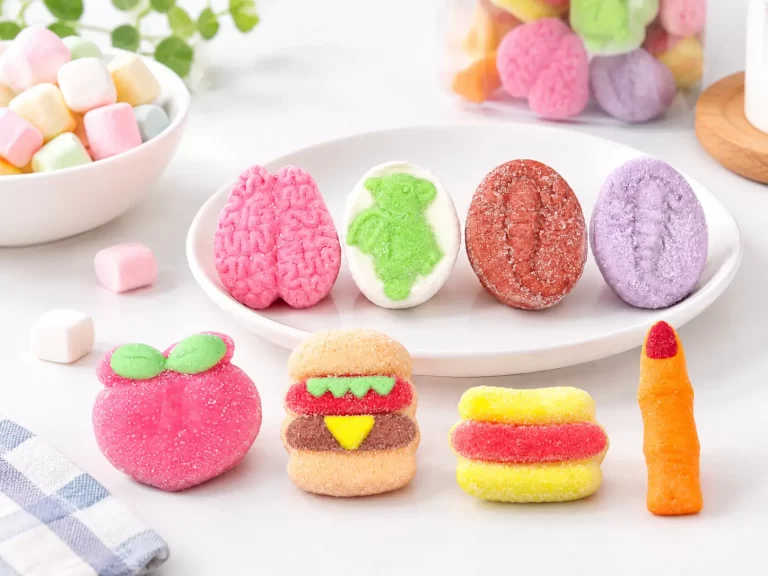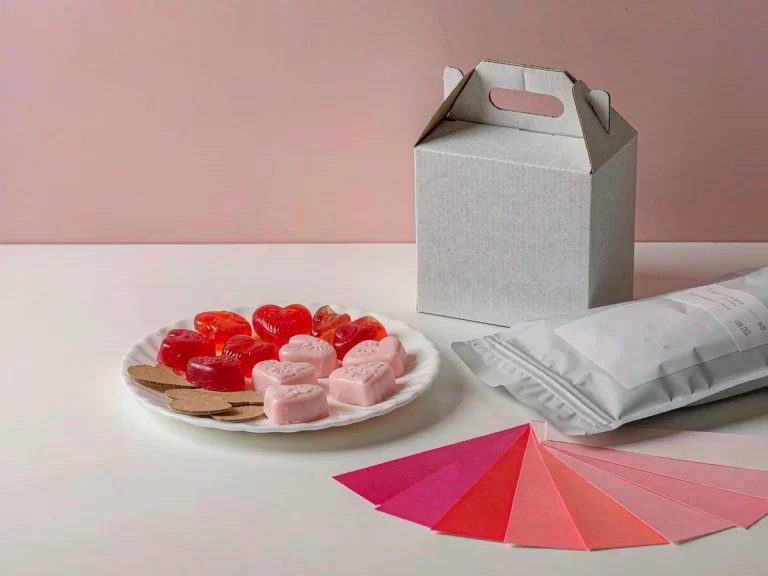

Candy may look durable, but international shipping can expose it to heat, humidity, pressure, and long storage periods. Gummies that leave the factory soft and shiny may arrive sticky or stuck together. Chocolate products may soften, while delicate candy shapes can break during handling.
These problems do not always come from poor production. In many cases, unsuitable packaging and shipping conditions affect product quality before the goods reach the buyer.
At CSsweet, we understand that different candy products need different packaging solutions. A packaging plan for gummies may not work for marshmallows or chocolate. Buyers also need to consider the destination market, shipping season, and transportation method.
This guide explains the main risks of international candy shipping, the packaging layers that protect products, the packing methods for different candy types, and practical ways to control packaging and shipping costs.
Why Does Candy Melt or Spoil During Shipping?
Candy faces several challenges during international transportation. Heat, humidity, pressure, and storage time can all affect its appearance, texture, and overall quality. Each risk requires a suitable protection method.
Heat is a major concern, especially for chocolate and other heat-sensitive products. Temperatures inside a shipping container can rise significantly above the outside temperature during hot weather. Under strong sunlight and unfavorable conditions, internal temperatures may exceed 50°C. However, actual temperatures depend on the route, season, container position, and exposure to sunlight.
Different candies respond differently to heat. Chocolate may soften at relatively low temperatures, while gummies can become sticky and lose their shape under unsuitable conditions. Marshmallows may also become deformed when exposed to excessive heat or pressure. There is no single temperature limit that applies to every candy product.
Humidity is another important risk. Many candies are sensitive to moisture changes. Gummies may absorb moisture and become sticky. Pressed candy may develop surface changes or lose its original texture. Marshmallows can become harder in dry conditions or absorb moisture in humid environments.
Pressure can also damage candy during transportation. Cartons are often stacked during storage and shipping. Weak cartons or poor loading arrangements may cause lower cartons to collapse. This pressure can damage delicate candy shapes, lollipops, and products with plastic toy components.
| Shipping Risk | Possible Effects | Candy Types at Risk |
|---|---|---|
| Heat | Softening, melting, sticking, or deformation | Chocolate, gummies, marshmallows |
| Humidity | Stickiness, texture changes, moisture damage | Gummies, pressed candy, marshmallows |
| Pressure | Broken shapes, crushed cartons, damaged components | Lollipops, pressed candy, toy candy |
| Long storage | Reduced remaining shelf life and quality changes | All candy types |
How Does Temperature Affect Different Candy Products?
There is no universal temperature danger zone for all candies. Each product has its own temperature tolerance, which depends on its ingredients, moisture content, structure, and packaging.
Chocolate is particularly sensitive to temperature changes. It may soften or melt when exposed to excessive heat. Repeated temperature changes can also affect its cocoa butter structure and lead to fat bloom. Moisture exposure may cause sugar bloom.
Gummies generally have a different heat response from chocolate. Their texture and stability depend on the gelling agent, sugar composition, moisture level, and formulation. Under unsuitable storage conditions, some gummies may become sticky or lose their shape.
At CSsweet, we consider the product type, destination climate, and shipping season when planning packaging. For heat-sensitive products, buyers should discuss temperature protection before production and shipment rather than waiting until the goods are ready.
Which Packaging Layers Protect Candy Best?
Many candy export products use a three-layer packaging structure. Each layer has a different purpose, but the exact design depends on the product, shipping route, and buyer’s requirements.
| Packaging Layer | Main Function | Common Materials |
|---|---|---|
| Primary packaging | Protects the candy and maintains freshness | OPP/CPP films, individual wrappers, pouches, jars |
| Secondary packaging | Groups products and provides additional protection | Inner bags, trays, dividers, small boxes |
| Outer packaging | Protects goods during handling and transportation | Corrugated cartons, pallets, protective materials |
What Should Buyers Consider for Primary Packaging?
Primary packaging directly touches the candy. It should use suitable food-contact materials and provide the required protection against moisture, air, and contamination.
For gummies, OPP/CPP films and other suitable flexible packaging materials are common options. However, the moisture barrier depends on the film structure, thickness, and sealing quality. Buyers should select materials according to the product’s moisture sensitivity and expected storage conditions.
For marshmallows, packaging should help prevent moisture changes and reduce contact between individual pieces when sticking is a concern. Individual wrapping or suitable inner bags can help maintain product quality.
Chocolate requires packaging that protects it from moisture, odors, and physical damage. Depending on the product, manufacturers may use foil, film, or other suitable food-grade materials.
Liquid candy needs special attention to sealing and leakage prevention. Bottles, tubes, or pouches should have suitable closures and packaging structures to prevent leakage during handling and transportation.
How Does Secondary Packaging Add Protection?
Secondary packaging groups individual products and provides additional physical protection.
For products that may stick together or lose their shape, trays, dividers, and inner boxes can help keep each piece in place. These structures also reduce direct pressure between products.
For moisture-sensitive candy, suitable sealed inner bags may provide an additional barrier. Desiccant sachets can also be considered when the product and packaging conditions require them. They should be securely sealed, suitable for food-packaging applications, and clearly marked to prevent accidental consumption. Desiccants are not necessary for every candy shipment, and their use should be based on product testing and packaging requirements.
Jars and tins can provide stronger physical protection than flexible bags in some applications. However, they may still need dividers or cushioning to prevent movement, breakage, or deformation during transportation.
How Should Buyers Choose Outer Cartons?
Outer cartons protect products during storage, loading, unloading, and transportation. Their strength should match the product weight, carton dimensions, stacking height, and expected shipping conditions.
Corrugated cartons are widely used for candy exports. Five-layer cartons may be suitable for some shipments, but they are not a universal requirement. Carton compression strength, board quality, humidity resistance, and loading conditions are more important than the number of layers alone.
Cartons should also carry shipping and handling information according to the buyer’s requirements and applicable transportation rules. Depending on the shipment, this information may include the product name, batch number, gross weight, net weight, destination details, and handling marks.
For some orders, palletization can make handling and loading easier. Pallets should be selected according to the transportation method and destination requirements. Their dimensions, loading height, and material treatment should be confirmed before shipment.
How Do You Pack Different Candy Types for Export?
Different candy products have different physical properties. A packing method that works for chocolate may not be suitable for marshmallows or gummies. Buyers should select packaging according to the product’s structure, moisture sensitivity, and transportation risks.
| Candy Type | Main Shipping Risks | Suggested Packaging Methods |
|---|---|---|
| Gummies | Sticking, moisture absorption, deformation | Sealed flexible bags, suitable moisture-barrier films, trays when needed |
| Marshmallows | Sticking, moisture changes, deformation | Individual wrapping or inner bags, trays, cartons with suitable space |
| Chocolate | Softening, melting, fat bloom, sugar bloom | Foil or film wrapping, protective cartons, temperature-controlled shipping when needed |
| Pressed candy | Moisture damage, surface changes, breakage | Sealed bags or tins, suitable moisture protection, strong outer cartons |
| Lollipops | Broken candy heads, damaged stick joints | Individual wrapping, head support, dividers |
| Bubble gum | Moisture changes, loss of texture | Individual foil or suitable film wrapping, sealed bags or containers |
| Toy candy | Damaged toy components, crushed packaging, leakage | Secure toy placement, separate compartments, sealed candy packaging |
| Liquid candy | Leakage, damaged closures, contamination | Sealed bottles, tubes, or pouches, dividers, leak-resistant outer packaging |
What Packaging Works Best for Gummies and Marshmallows?
Gummies are sensitive to moisture and can become sticky when their moisture balance changes. Flexible packaging with suitable moisture-barrier properties can help protect them during transportation. Individual wrapping or small-group bags may also reduce direct contact between pieces.
The correct film should be selected according to the gummy formulation and expected storage conditions. Strong heat seals are important because even good packaging materials may fail if the seals are weak.
Marshmallows need protection from both moisture changes and excessive pressure. If cartons are packed too tightly, the lower layers may become compressed and lose their shape. Individual wrapping, inner trays, and suitable carton loading arrangements can help reduce this risk.
At CSsweet, we consider the product’s size, shape, and packaging format when planning the carton arrangement. The goal is to protect the candy without using unnecessary packaging materials.
How Should Chocolate Be Shipped in Hot Weather?
Chocolate requires more careful temperature management than many other candy products. Excessive heat can cause softening or melting, while temperature fluctuations and moisture exposure may lead to surface defects.
For some routes, shipping during cooler periods may reduce heat-related risks. However, buyers should consider the climate at the origin, transit ports, destination, and storage facilities. Cooler shipping months do not remove the need for suitable packaging or moisture protection.
Insulated packaging may help reduce short-term temperature changes, but it cannot guarantee temperature control during a long sea voyage. For heat-sensitive products, a reefer container may be considered when the product specifications and shipping budget justify it.
A reefer container is designed to maintain a selected temperature, not to rapidly cool warm cargo. Chocolate should be cooled to the required transport temperature before loading. The set temperature should follow the product’s specifications and the shipping provider’s recommendations.
Proper loading is also important. Cartons should not block air outlets, and cargo should be arranged to allow sufficient airflow. Buyers should confirm loading requirements and temperature settings with their shipping provider before shipment.
How Should Liquid Candy Be Protected?
Liquid candy needs packaging that prevents leakage and protects the product from contamination. The suitable packaging format depends on the product’s viscosity, bottle or pouch design, closure structure, and transportation conditions.
Bottles and tubes should have secure caps or sealing systems. Pouches should use reliable seals and suitable film materials. Inner trays or dividers can help keep containers upright and prevent them from hitting each other.
Outer cartons should be strong enough to withstand stacking and handling. For products with a higher leakage risk, buyers should also discuss additional protective bags or secondary containment with the manufacturer.
How Can You Lower Shipping Costs Without Risk?
Packaging costs are an important part of candy export orders. However, reducing material costs does not always reduce the total shipping cost. Weak packaging may lead to damaged goods, customer complaints, and replacement expenses.
The best approach is to identify where packaging can be optimized without reducing the protection required by the product.
| Cost-Saving Method | Risk Level | Important Considerations |
|---|---|---|
| Optimize carton dimensions | Generally low | Check container utilization, product protection, and loading limits |
| Reduce unnecessary inner trays | Depends on product | Confirm that products remain stable during transportation |
| Use weaker outer cartons | High if strength is insufficient | Check compression strength and stacking conditions |
| Remove desiccants | Depends on product and packaging | Confirm moisture protection is still adequate |
| Ship chocolate without temperature protection | High on hot routes | Consider product specifications and actual route conditions |
| Improve loading arrangements | Generally low | Maintain stability and avoid blocking airflow |
How Can Carton Dimensions Improve Container Loading?
Carton dimensions have a direct effect on container utilization. If cartons are too large or have unsuitable proportions, empty spaces may remain between packages. Better carton planning can help use available container space more efficiently.
At CSsweet, carton dimensions can be discussed during the quotation and packaging planning stages. Buyers should consider product size, inner packaging, carton strength, pallet requirements, and the loading method before confirming the final carton specifications.
However, maximizing container space should not come at the expense of product protection. Cartons must remain stable, and the total cargo weight must stay within the container’s permitted limits.
The actual shipping savings depend on the product dimensions, order quantity, loading method, and freight arrangement. A suitable carton design can improve efficiency, but the result should be calculated for each order rather than based on a fixed percentage.
How Can Shipping Time and Season Affect Packaging Costs?
Shipping season can influence the temperature conditions that candy experiences during transportation. Cooler periods may reduce heat-related risks on some routes, especially for chocolate and other heat-sensitive products.
However, buyers should not rely only on the departure month. The route may pass through warmer regions, and goods may remain at ports or warehouses before and after the sea voyage. The climate at the destination also matters.
Moisture protection should be selected according to the candy formulation and packaging performance, regardless of the shipping season. A cooler route does not automatically mean that desiccants or moisture-barrier materials are unnecessary.
At CSsweet, we recommend discussing the destination market, shipping route, product type, and expected shipping period before production starts. This helps buyers choose a packaging plan that balances product protection and transportation costs.
If you are planning an export order, send CSsweet your candy type, destination port, and expected shipping period. We can discuss suitable packaging structures, carton specifications, and shipping considerations based on your order requirements.
Conclusion
Candy packaging for international shipping requires more than choosing a suitable bag or carton. Buyers need to consider heat, humidity, pressure, storage time, and the physical properties of each candy product.
Gummies need suitable moisture protection. Marshmallows require protection from moisture changes and compression. Chocolate needs careful temperature management, while liquid candy requires reliable sealing and leakage prevention. Outer cartons and loading arrangements should also match the product weight and transportation conditions.
The best packaging plan should be decided before production and should consider the full shipping route, not just the departure port. By selecting suitable materials, optimizing carton dimensions, and planning transportation conditions, buyers can reduce damage risks without adding unnecessary costs.
At CSsweet, we aim to help buyers select practical packaging solutions for different candy products and export markets. Share your product type, destination, and shipping requirements with us so that we can discuss a suitable packaging plan for your order.