
Popping candy is a unique confectionery product that creates a crackling sensation in the mouth. During production, carbon dioxide gas is trapped inside small sugar pieces under pressure. When the candy dissolves in the mouth, the gas is released and creates the familiar popping effect.
For candy importers, wholesalers, retailers, and private-label brands, popping candy offers several product opportunities. Buyers can choose traditional loose popping candy, coated varieties, candy combinations, or products designed for lollipops and dipping kits. Different flavors, particle sizes, and packaging formats also help brands develop products for different markets.
However, choosing the right product requires more than looking at its appearance. Buyers should understand the available product types, flavor options, applications, and packaging requirements before placing a bulk order.
This guide explains the main types of popping candy, common flavor choices, product applications, and important sourcing considerations for wholesale buyers.
What Are the Main Types of Popping Candy Products?
Popping candy comes in different forms. Some products are sold as standalone candy, while others are combined with chocolate, lollipops, or other confectionery products.
Each format has a different purpose. Buyers should select a product according to their target market and intended application.
Traditional Loose Popping Candy
Traditional loose popping candy is one of the most familiar forms. It usually consists of small, irregular sugar particles that contain pressurized carbon dioxide.
Consumers can pour the candy directly into their mouths or sprinkle it over other foods. This format is simple and suitable for individual retail sachets.
Loose popping candy is also useful for confectionery manufacturers. They can purchase it in bulk and use it as an ingredient in their own products. For example, it can be added to chocolate, candy mixes, or dessert toppings.
Buyers should check the particle size and popping effect before choosing a product. These details can influence the final eating experience.
Coated Popping Candy
Coated popping candy has a protective layer around the popping candy particles. Depending on the product, the coating may contain cocoa butter or other suitable fat-based ingredients.
The coating can help reduce direct contact with moisture in certain applications. This is important when popping candy is used in products such as chocolate.
However, coated popping candy is not suitable for every recipe. Buyers should confirm the coating material and test the product in the intended application. They should also discuss storage conditions and shelf-life expectations with the supplier.
Popping Candy Mixed with Other Candies
Popping candy can be combined with other confectionery products to create different textures and eating experiences.
For example, manufacturers may mix it with small hard candies, pressed candy, chocolate pieces, or other sweet products. These combinations can make a product more interesting and help brands develop new retail items.
The final product may be sold in small bags, multi-compartment packs, or customized gift packaging. Buyers can select the combination according to their product concept and target consumers.
Popping Candy for Lollipops and Dipping Kits
Popping candy is also used in lollipop and dipping products. In this format, consumers dip a lollipop or another candy into a separate pack of popping candy before eating it.
This creates an interactive eating experience. It can work well for novelty candy, children’s confectionery, party products, and promotional packs.
For this type of product, packaging design is especially important. The popping candy should remain separate from the lollipop until the consumer is ready to use it.
| Product type | Main features | Common sales format |
|---|---|---|
| Traditional loose popping candy | Small particles with a direct popping effect | Individual sachets and bulk ingredient packs |
| Coated popping candy | Protective coating for selected applications | Ingredient packs and chocolate products |
| Popping candy mixed with other candies | Combines different textures and candy types | Candy mixes and multi-compartment packs |
| Lollipop and dipping products | Interactive eating experience | Lollipop packs and dipping kits |
These product types give buyers several ways to use popping candy. A buyer can choose a simple standalone product or develop a more customized confectionery item.
What Flavors Are Available in Popping Candy?
Flavor is an important part of popping candy product development. A familiar flavor can attract a wide range of consumers, while a special flavor can help a product stand out on retail shelves.
Buyers can consider both common fruit flavors and more distinctive options. They can also choose between single-flavor products and mixed-flavor combinations.
Common Fruit Flavors and Special Flavors
Fruit flavors are popular choices for popping candy. Strawberry, watermelon, grape, green apple, and cherry are examples of flavors commonly found in commercial candy products.
These flavors are easy for many consumers to recognize. They can also work well in different product formats, including individual sachets, candy mixes, and novelty confectionery.
Some brands may prefer more distinctive flavors. Examples include cola, bubble gum, cotton candy, and tropical fruit. These flavors can help create a different product identity and provide more choices for consumers.
The right flavor depends on the target market. Some markets may prefer familiar fruit flavors, while others may be more interested in unusual or playful options.
| Flavor category | Flavor examples | Possible product positioning |
|---|---|---|
| Common fruit flavors | Strawberry, grape, cherry | Familiar choices for general retail markets |
| Fresh fruit flavors | Watermelon, green apple | Bright and refreshing candy products |
| Special sweet flavors | Bubble gum, cotton candy | Novelty candy and playful product ranges |
| Beverage-inspired flavors | Cola, tropical fruit | More distinctive flavor collections |
Not every supplier offers the same flavor range. Buyers should request the available flavor list and confirm whether custom flavors can be developed.
They should also test samples before selecting a flavor for bulk production. A flavor may taste different when it is combined with other candy ingredients or used in a finished product.
Single Flavors and Mixed Flavors
Popping candy can be sold in a single flavor or as a combination of several flavors.
Single-flavor products contain only one main flavor. They are suitable for brands that want a clear product identity. For example, a brand may launch separate strawberry, watermelon, and grape popping candy products.
Mixed-flavor products combine two or more flavors in one pack. This format gives consumers more choices and can make the product look more colorful and interesting.
For wholesale buyers, both options have commercial value. Single-flavor products can support a focused product range, while mixed-flavor packs can create variety without requiring consumers to purchase several separate products.
| Flavor format | Main advantages | Suitable product ideas |
|---|---|---|
| Single flavor | Clear flavor identity and simple product positioning | Strawberry or watermelon popping candy sachets |
| Two-flavor combination | Offers more variety while keeping the selection simple | Strawberry and grape combination |
| Multi-flavor combination | Creates a colorful and varied eating experience | Assorted fruit popping candy packs |
When choosing a flavor format, buyers should consider the retail price, pack size, target consumers, and product design.
They should also confirm whether different flavors can be packed together in one order. The supplier may have different minimum order quantities for each flavor. This can affect the total purchasing cost and production plan.
How Can Popping Candy Be Used in Different Products?
Popping candy is not limited to standalone retail packs. It can also be used in many confectionery and dessert products.
However, the popping effect can be affected by moisture, processing conditions, and storage. Manufacturers should test the complete product before deciding on a final formula and packaging method.
Retail Popping Candy Packs
Individual sachets are one of the simplest ways to sell popping candy. Each pack contains a controlled portion, which makes it convenient for consumers and retailers.
Buyers can select different pack sizes, flavor options, and printed designs. Small sachets may be suitable for convenience stores, supermarkets, candy shops, and promotional products.
Brands can also develop multi-flavor packs. These products allow consumers to try several flavors in one purchase and can create a more attractive retail presentation.
Chocolate and Other Confectionery Products
Popping candy can be added to chocolate bars, chocolate pieces, pralines, and other confectionery products. It creates a contrast between the main product’s texture and the popping sensation.
For chocolate applications, moisture control is important. A suitable protective coating may help reduce moisture contact, depending on the recipe and production process.
The timing of adding popping candy also matters. Manufacturers should test the process to make sure that the particles are not damaged and that the popping effect remains acceptable in the finished product.
Lollipops, Cakes, and Desserts
Popping candy can be used in lollipop dipping kits, candy mixes, cakes, cookies, and dessert toppings.
For lollipop products, the popping candy is often packed separately. Consumers dip the lollipop into the candy before eating it.
For cakes and desserts, popping candy may be added shortly before serving or packed separately until use. This helps reduce early contact with moisture.
Ice cream and yogurt products can also use popping candy as a topping. In these applications, a separate sealed compartment or sachet can help keep the candy away from wet ingredients until consumption.
| Application | How popping candy is used | Important consideration |
|---|---|---|
| Retail sachets | Sold as standalone candy | Portion size and moisture protection |
| Chocolate products | Mixed into chocolate or used as an inclusion | Coating, recipe moisture, and processing conditions |
| Lollipops and dipping kits | Packed separately for dipping | Pack design and ease of use |
| Cakes and cookies | Used as a topping or ingredient | Heat exposure and moisture contact |
| Ice cream and yogurt | Added as a topping or separate inclusion | Moisture separation and storage conditions |
Popping candy should not be added to every product in the same way. Manufacturers need to test the ingredients, processing steps, packaging, and expected shelf life together.
Why Is Moisture Protection Important?
Moisture is one of the main factors that can affect popping candy quality. When water reaches the candy particles, the sugar structure may begin to dissolve. This can release the trapped gas too early and reduce the popping effect.
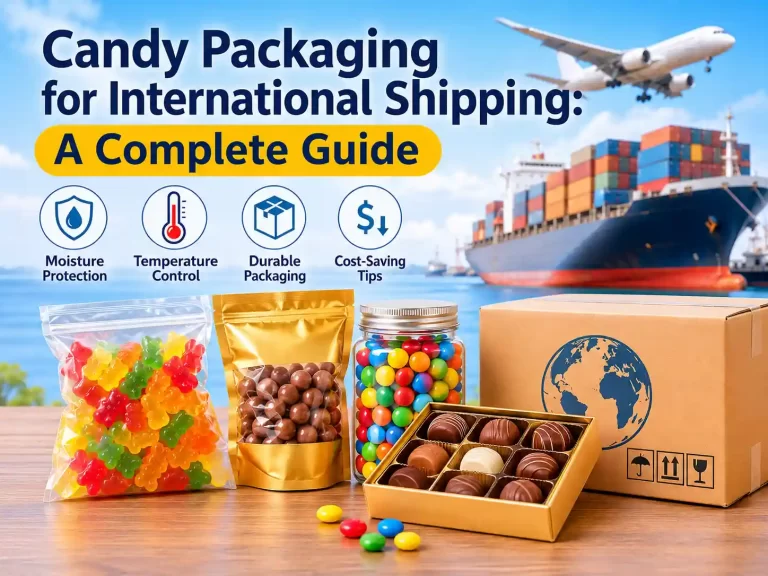
For this reason, packaging plays an important role. Individual sachets and sealed barrier bags can help reduce moisture exposure.
The packaging structure should match the product type, pack size, storage conditions, and shipping environment. Buyers should also ask suppliers about storage instructions and shelf-life information.
A product that performs well in a factory sample may not perform the same way after long-distance shipping if the packaging is unsuitable. Buyers should therefore evaluate the product and its packaging as one complete system.
What Should Buyers Consider When Choosing Popping Candy?
Choosing popping candy involves more than selecting a flavor. Buyers should consider the target market, product application, particle size, packaging, and supplier capabilities.
A clear product specification can help reduce misunderstandings and make bulk purchasing more predictable.
Match the Product to Your Target Market
Buyers should first identify the consumers and sales channels they want to serve.
A supermarket product may need familiar fruit flavors and attractive individual sachets. A novelty candy brand may prefer colorful mixed-flavor packs or dipping kits. A chocolate manufacturer may need bulk popping candy with a suitable particle size or protective coating.
The intended use should be clear before buyers request quotations. This helps suppliers recommend suitable products and allows buyers to compare offers more fairly.
Check Product Quality and Specifications
Before placing an order, buyers should request product samples and specifications.
Important details include:
- Flavor and sweetness
- Color and particle size
- Popping effect and texture
- Product ingredients
- Storage conditions and shelf life
- Packaging material and sealing quality
If the product will be used in another confectionery item, buyers should test it in the actual application. This can help identify problems that may not be obvious when tasting the popping candy alone.
Choose Suitable Packaging
Packaging should protect the product and support its intended sales channel.
For retail products, buyers may choose individual sachets, multi-packs, or customized printed bags. For industrial applications, bulk packaging may be more suitable.
The packaging should provide an appropriate moisture barrier and reliable seals. Buyers should also check whether the pack size, material, and design meet their storage and shipping requirements.
| Packaging format | Suitable use | Buyer consideration |
|---|---|---|
| Individual sachets | Single-serving retail products | Portion size and sealing quality |
| Multi-pack bags | Retail and family packs | Outer packaging and moisture protection |
| Display-ready packs | Supermarkets and candy shops | Shelf appearance and product visibility |
| Bulk bags | Food and confectionery manufacturers | Handling, storage, and ingredient protection |
Evaluate the Supplier’s Customization and Production Support
For wholesale and private-label orders, supplier capabilities can affect the final product.
Buyers may need custom flavors, color combinations, particle sizes, or packaging designs. Not every supplier can provide the same options. Buyers should confirm the available services before starting product development.
At C Ssweet, buyers can discuss their product requirements and target markets when exploring candy sourcing options. Clear communication about product specifications, packaging, and order quantities helps both sides understand the project before production begins.
Buyers should also ask about minimum order quantities, sample availability, production lead times, and quality control procedures. These details can help them evaluate whether a supplier is suitable for a long-term business relationship.
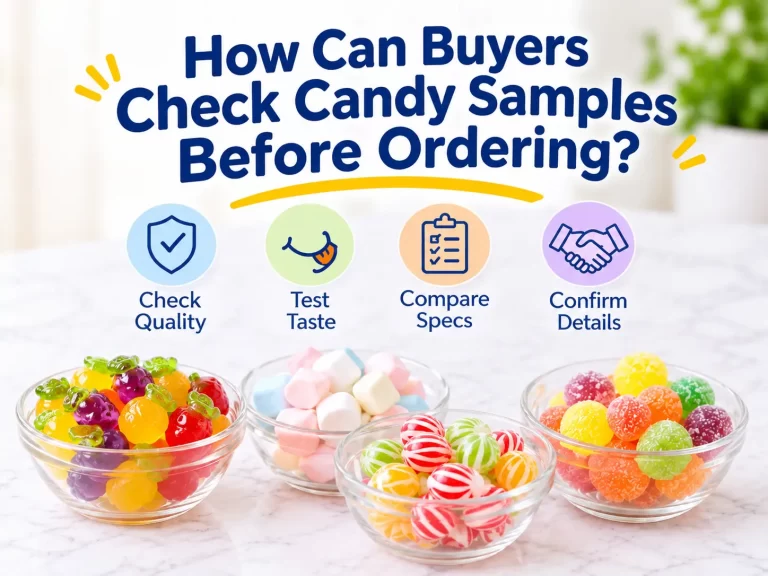
Test Samples Before Bulk Production
Sample testing helps buyers identify potential problems before placing a large order.
Buyers should check the flavor, sweetness, color, particle size, texture, and popping sensation. If the candy will be used in chocolate, lollipops, or desserts, they should test it in the actual product.
The approved sample should match the final product specifications. Buyers should also confirm the packaging design, order quantity, and delivery schedule in writing before mass production starts.
| What to check | Questions for buyers |
|---|---|
| Product quality | Does the candy have the expected flavor and popping effect? |
| Flavor selection | Does the flavor match the target consumers? |
| Packaging | Can the pack protect the candy during storage and shipping? |
| Customization | Can the supplier provide the required flavor and packaging options? |
| Order terms | Are the MOQ, lead time, and product specifications confirmed? |
Conclusion
Popping candy comes in several forms, including traditional loose candy, coated popping candy, mixed confectionery products, and lollipop dipping products. Buyers can also choose common fruit flavors, special flavors, single-flavor products, or mixed-flavor combinations.
The best option depends on the target market and the intended application. Buyers should pay particular attention to product quality, moisture protection, packaging, and sample performance.
Before placing a bulk order, compare samples and confirm the product specifications with the manufacturer. Careful preparation can help buyers select suitable popping candy products and build a more reliable supply plan.