
The global candy market continues to grow because consumers of different ages enjoy sweet products in many forms. For wholesale buyers, choosing the right candy types is important because product selection can directly affect sales performance, customer satisfaction, and brand growth.
CSsweet works with international buyers who need stable candy supply, flexible customization, and products that match different market needs. We understand that buyers from different countries often look for different candy categories based on local tastes, retail channels, and consumer habits.
Before placing a large order, many buyers ask which candy types have the highest demand, which products are easier to sell, and which options can create better business opportunities. The answer depends on the target market, but some candy categories continue to perform well in many regions.
What Types of Candy Are Best for Wholesale Business?
Wholesale buyers usually choose candy products that have wide customer acceptance, attractive designs, and good shelf performance. Popular candy categories often include gummies, hard candies, lollipops, marshmallows, and other novelty candy products.
Different candy types can serve different sales channels. For example, supermarkets often prefer individually packed candies because they are easy to display and sell. Convenience stores may choose small packages because customers often make quick purchase decisions. Online retailers may focus more on unique shapes and customized packaging.
Popular Candy Categories for Wholesale Buyers
| Candy Type | Main Features | Common Sales Channels |
| Gummy Candy | Soft texture, many flavors and shapes | Supermarkets, online stores, candy shops |
| Hard Candy | Long shelf life, easy storage | Convenience stores, wholesalers |
| Lollipops | Fun shapes and strong visual appeal | Kids stores, gift shops, seasonal promotions |
| Marshmallows | Soft texture and colorful designs | Snack stores, supermarkets |
| Novelty Candy | Unique shapes and creative designs | Specialty stores, promotional events |
Why Do Buyers Prefer These Candy Types?
Wholesale buyers often select these products because they can meet different consumer needs.
Gummy candy is one of the most flexible categories. Manufacturers can create different shapes, colors, flavors, and textures. Buyers can also customize gummy products for their own brands.
Hard candy is popular because it usually has a longer storage period. This feature makes it suitable for international shipping and large-volume purchasing.
Lollipops attract customers through their visual designs. Simple shapes, bright colors, and creative packaging can help products stand out on retail shelves.
Marshmallows also have strong market potential because they provide a soft eating experience. Many brands use customized shapes and colors to create unique products.
For wholesale buyers, the best candy choice is not only about popularity. Buyers also need to consider production capacity, packaging options, shipping conditions, and target customers.
Which Candy Categories Have the Highest Market Demand?
Candy demand changes with consumer trends, but some categories continue to receive strong attention from retailers and importers. Buyers usually look for products that combine good taste, attractive appearance, and competitive pricing.
CSsweet sees that many international buyers are interested in candy products that provide customization opportunities. Brands want products that can match their own market position instead of only selling standard candy items.
Market Demand Factors for Candy Products
| Factor | Why It Matters to Buyers |
| Flavor Variety | More flavors help brands reach different consumers |
| Product Appearance | Attractive designs improve shelf appeal |
| Packaging Design | Good packaging supports brand promotion |
| Customization Options | Unique products help brands compete |
| Stable Supply | Reliable production reduces business risks |
How Consumer Preferences Influence Candy Selection?
Consumers today often look for more than just sweetness. They also care about product appearance, new experiences, and brand identity.
For example, younger consumers often prefer colorful gummies, fun shapes, and creative candy designs. Parents may pay more attention to product safety, ingredients, and packaging information. Retailers want products that can attract attention and increase sales.
Wholesale buyers need to understand these differences before selecting products.
Candy Trends That Affect Wholesale Purchasing
| Consumer Trend | Popular Candy Response |
| More interest in visual products | Colorful gummies and shaped candies |
| Demand for new experiences | Novelty candy and creative designs |
| Brand competition | Private label and custom packaging |
| Global taste preferences | Different fruit flavors and combinations |
Candy buyers also need to consider regional differences. A flavor that sells well in one country may have different results in another market. Some markets prefer fruity flavors, while others may prefer sour, milk, or traditional flavors.
Because of this reason, many buyers work with manufacturers that can provide flexible production solutions. A professional factory can help buyers adjust flavors, shapes, colors, and packaging based on market requirements.
For wholesale businesses, selecting the right candy category is an important step before building a successful product line. A good product choice can help retailers attract customers and create long-term sales opportunities.
How Do Buyers Choose the Right Candy Supplier?
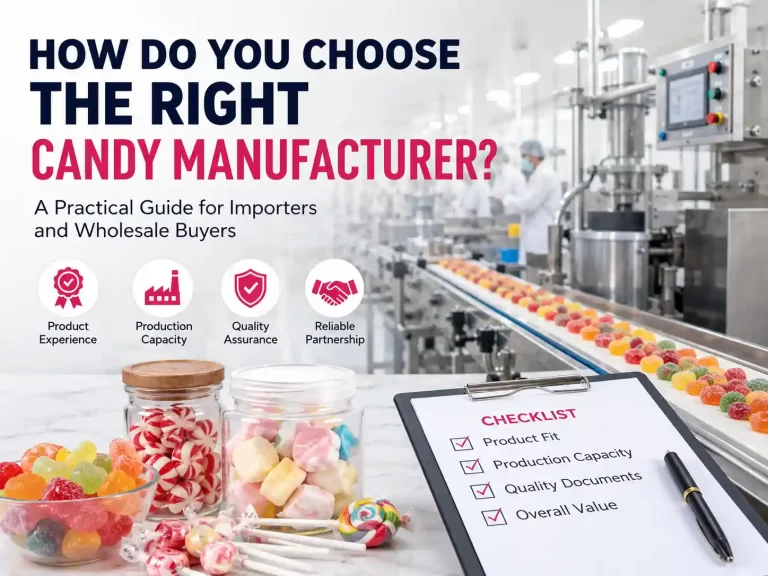
Choosing the right candy supplier is one of the most important steps for wholesale buyers. A reliable supplier can help businesses maintain product quality, control costs, and build a stable supply chain.
Many buyers do not only compare prices when they select a candy manufacturer. They also check production ability, product quality, communication speed, and export experience. A supplier with strong manufacturing skills can provide better support when buyers need customized products or large-volume orders.
CSsweet believes that a good supplier should understand the buyer’s market and provide solutions instead of only producing standard products. International buyers often need help with product selection, packaging design, shipping preparation, and quality control.
Important Factors When Selecting a Candy Supplier
| Supplier Factor | Why Buyers Should Check It |
| Factory Experience | Experienced factories understand production and export requirements |
| Product Range | More product choices help buyers build different product lines |
| Customization Ability | OEM and ODM services support brand development |
| Quality Management | Stable quality reduces customer complaints |
| Export Service | Professional export support makes international orders easier |
What Should Buyers Ask Before Cooperation?
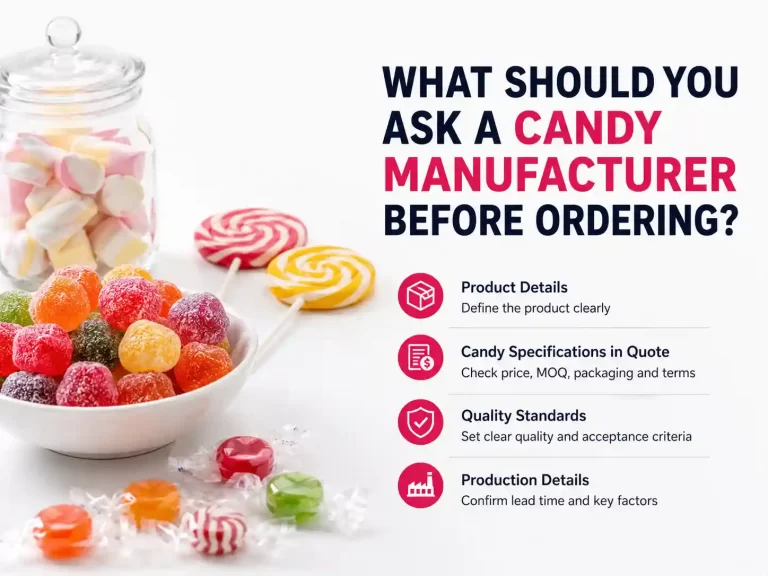
Before starting cooperation, buyers should collect important information from suppliers. Clear communication can help both sides understand product requirements and avoid problems during production.
Buyers can ask suppliers about production capacity, available candy types, packaging options, and quality standards. Buyers can also request product samples before placing a large order.
Questions Buyers Usually Ask Candy Manufacturers
| Buyer Question | Purpose |
| What candy products can you produce? | Understand supplier capabilities |
| Can you customize flavors and shapes? | Check OEM options |
| What packaging choices are available? | Confirm retail requirements |
| How do you control product quality? | Evaluate factory standards |
| Can you support international shipping? | Check export experience |
A professional candy supplier should provide clear answers and practical solutions. The supplier should also understand different market requirements because each country may have different regulations, labeling rules, and consumer preferences.
For example, some buyers may need special packaging sizes for supermarkets. Some brands may need unique candy shapes for promotional campaigns. Some importers may need products that can handle long-distance transportation.
A strong supplier can support these needs through flexible production systems.
Buyers should also check whether a supplier can maintain stable production during high-demand seasons. Candy demand often increases during holidays, festivals, and promotional periods. A supplier with good production planning can help buyers avoid supply delays.
What Should Importers Check Before Ordering Candy?
Before placing a large candy order, importers need to check several important details. A careful evaluation process can reduce business risks and improve cooperation with manufacturers.
Many new buyers focus only on product price. However, the lowest price does not always create the best business value. Product quality, packaging performance, delivery time, and supplier reliability are also important.
CSsweet works with global buyers who need consistent products for different retail markets. We understand that importers need confidence before making large purchasing decisions.
Key Points to Check Before Ordering
| Check Point | What Importers Should Confirm |
| Product Samples | Taste, texture, color, and appearance |
| Ingredients | Product formula and market requirements |
| Packaging | Protection, design, and labeling information |
| Production Time | Manufacturing schedule and delivery plan |
| Certifications | Required documents for target markets |
Why Are Samples Important Before Bulk Orders?
Samples allow buyers to understand the real product quality before making a large investment. Buyers can check whether the candy meets their expectations in terms of taste, appearance, and packaging.
Samples are especially important for customized candy products. A product may look good in a design file, but the final candy needs to match the actual market demand.
For example, buyers can test:
| Sample Check | Buyer Purpose |
| Flavor | Confirm consumer acceptance |
| Texture | Ensure the eating experience matches expectations |
| Color | Check product appearance |
| Packaging | Test transportation protection |
| Size and Shape | Confirm retail suitability |
Importers should also consider the supplier’s communication and response ability. Good communication helps solve problems faster during product development and production.
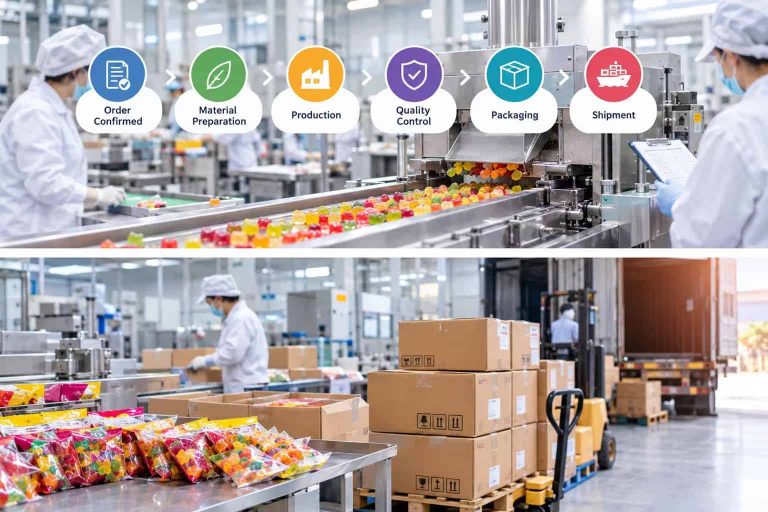
A professional supplier should provide clear information about production steps, quality checks, and shipping arrangements. This transparency helps buyers create a more stable business relationship.
Large candy orders require careful planning. Importers should understand their market demand, choose suitable products, and work with suppliers who can provide long-term support.
Conclusion
Choosing the right candy types is an important decision for wholesale buyers. Popular categories such as gummies, hard candies, lollipops, marshmallows, and novelty candies can provide different business opportunities in global markets.
Buyers should consider product demand, customization options, quality control, and supplier reliability before placing orders. A professional candy manufacturer can help businesses create products that match their market needs.
CSsweet provides candy manufacturing solutions for international buyers, including product development, customization, packaging support, and export services. If you are looking for a reliable candy supplier or want to develop your own candy products, please contact CSwweet to discuss your project and receive professional support.